Tulca Aviation Dictionary
This dictionary is a specialized reference tool designed to compile, define, and explain the distinct technical language, acronyms, and terminology used in the global aerospace industry. By breaking down complex jargon, it establishes standardized communication across all sectors of flight. Core Target Audience: Academic & Commerce: Universities, academies, and aviation companies. Flight Crews: Helicopter pilots, private pilots, commercial airline captains, student pilots, and flight attendants. Ground & Support Teams: Aviation Maintenance Technicians (AMTs), engineers, and operations specialists managing active, safe airspace. Legal Institutions: Legal professionals. Our Goal We aim to make complex aviation topics easy to understand. Inside, you will find simple examples, clear breakdowns, and key facts. Insaallah this dictionary helps you reach your legal goals.
Nezaket Tulca Gündüz




Our Subject
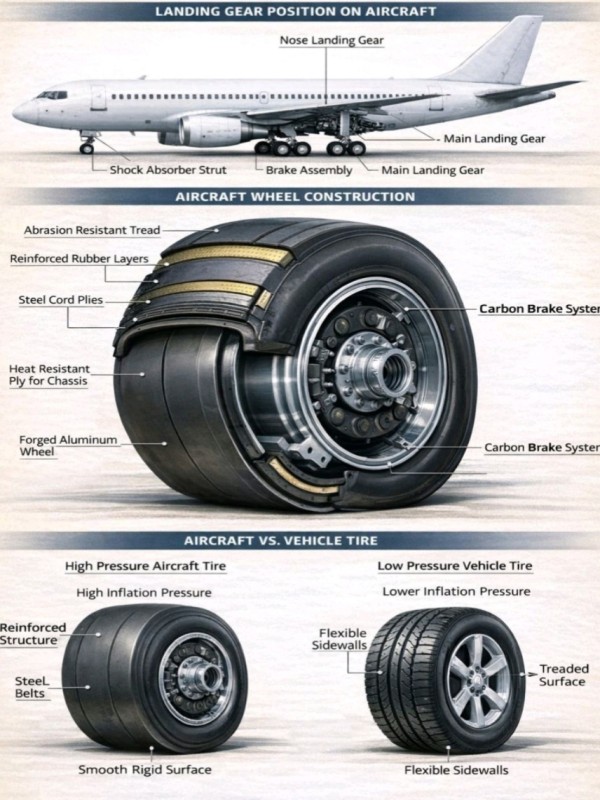
What is Landing
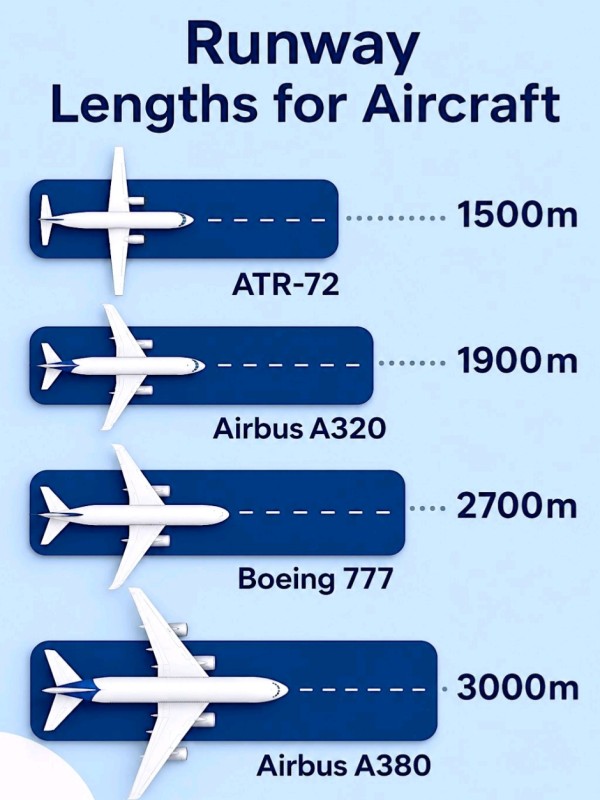
An aircraft landing is the final part of a flight. It is the process of safely returning an aircraft to the ground.Landing a plane requires precision and involves several exact steps.
Private Jets
A private jet, also known as a business jet or corporate aircraft, is designed for non-scheduled, point-to-point travel. Celebrities: Gulfstream, Global, Falcon, Cessna, PiaggioJet, Honda Jet, Cirrus
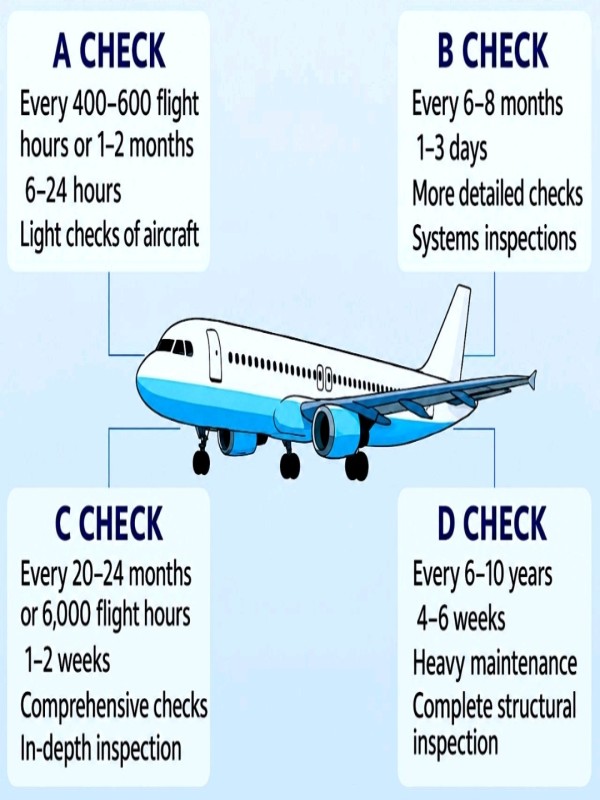
Aircraft Check
An aircraft check is a strict, scheduled safety inspection. It is required on all airplanes. Mechanics do this based on flight time or calendar time. Look A check, B check, C check and D check.
What is FAA
FAA is the U.S. government agency that manages the nation's civil aviation. It controls air traffic, gives pilot licenses and sets rules for planes. FAA, SHGM, EASA CAAC are similar.